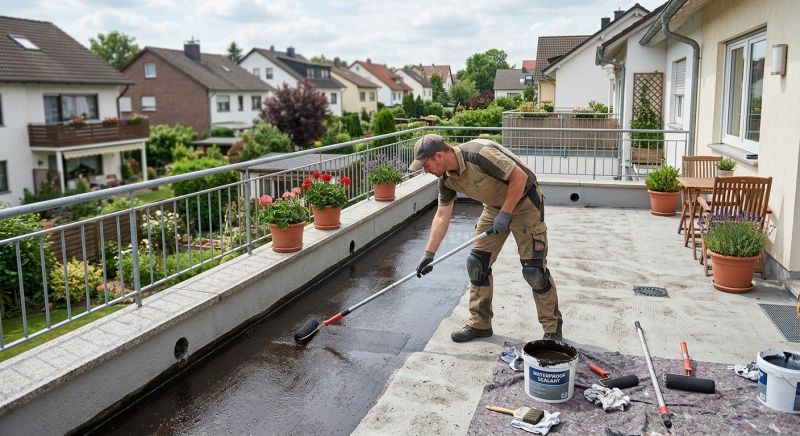
Veranda Sealing in Alpharetta, GA
Veranda sealing services involve applying protective coatings to the surface of a veranda to help preserve its appearance and structural integrity. This process is commonly used on wood, composite, or concrete verandas to prevent damage caused by moisture, UV rays, and general wear and tear. Homeowners often request veranda sealing when they want to extend the lifespan of their outdoor living spaces, maintain a clean and attractive look, or prepare their veranda for seasonal changes. Projects can range from sealing new verandas to restoring older ones that have experienced weather-related deterioration or staining.
Before requesting veranda sealing services, property owners typically want to understand the types of sealants used, how often sealing should be reapplied, and what preparation steps are necessary prior to treatment. It is also helpful to know if the surface requires cleaning, sanding, or repairs beforehand to ensure the best results. Clarifying these details can assist homeowners in making informed decisions about maintaining their outdoor spaces and achieving a durable, long-lasting finish.
Many property owners in Alpharetta, GA look into Veranda Sealing for repairs, replacements, upgrades, and appearance-related improvements.
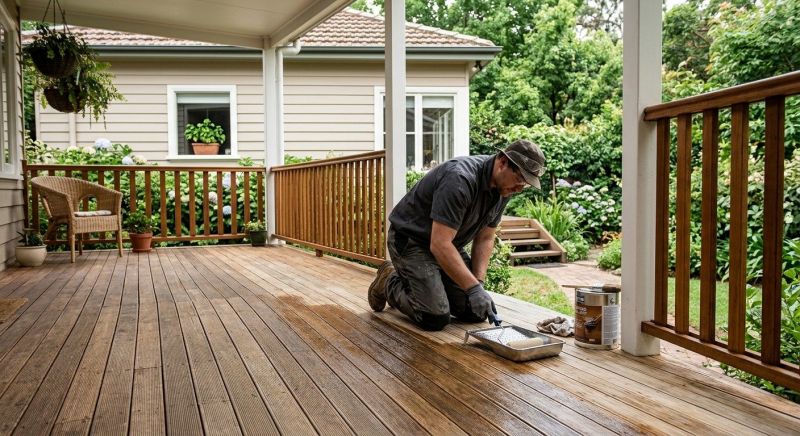
Enhancing Veranda Durability
Sealing helps protect wooden and composite verandas from moisture and wear.
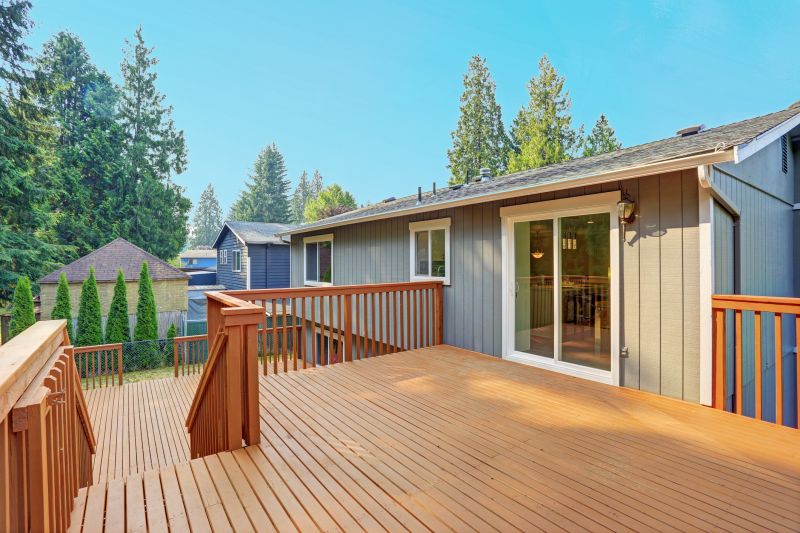
Maintaining Curb Appeal
Proper sealing preserves the appearance of your veranda and keeps it looking new.
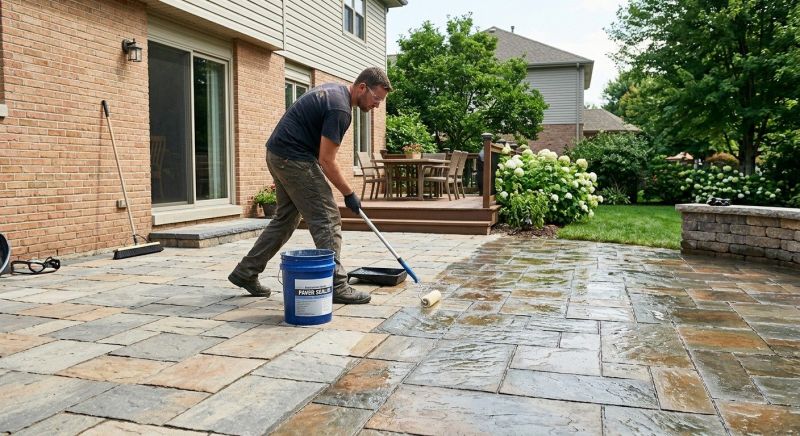
Preventing Structural Damage
Sealing prevents water infiltration that can lead to rot and costly repairs for properties in alpharetta, ga.
Veranda Sealing in Alpharetta, GA
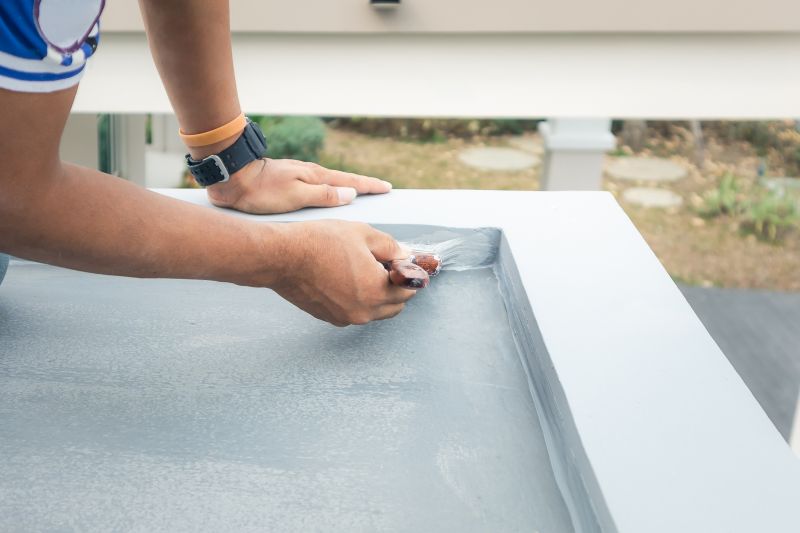
Veranda sealing services involve applying protective coatings to the surface of a veranda to help preserve its appearance and structural integrity. This process is commonly used on wood, composite, or concrete verandas to prevent damage caused by moisture, UV rays, and general wear and tear. Homeowners often request veranda sealing when they want to extend the lifespan of their outdoor living spaces, maintain a clean and attractive look, or prepare their veranda for seasonal changes. Projects can range from sealing new verandas to restoring older ones that have experienced weather-related deterioration or staining.
Before requesting veranda sealing services, property owners typically want to understand the types of sealants used, how often sealing should be reapplied, and what preparation steps are necessary prior to treatment. It is also helpful to know if the surface requires cleaning, sanding, or repairs beforehand to ensure the best results. Clarifying these details can assist homeowners in making informed decisions about maintaining their outdoor spaces and achieving a durable, long-lasting finish.
Many property owners in Alpharetta, GA look into Veranda Sealing for repairs, replacements, upgrades, and appearance-related improvements.
Common Veranda Sealing Jobs
Veranda Sealing - Protects wood surfaces from moisture and weather damage.
Deck Sealing - Extends the lifespan of outdoor decks by preventing water infiltration.
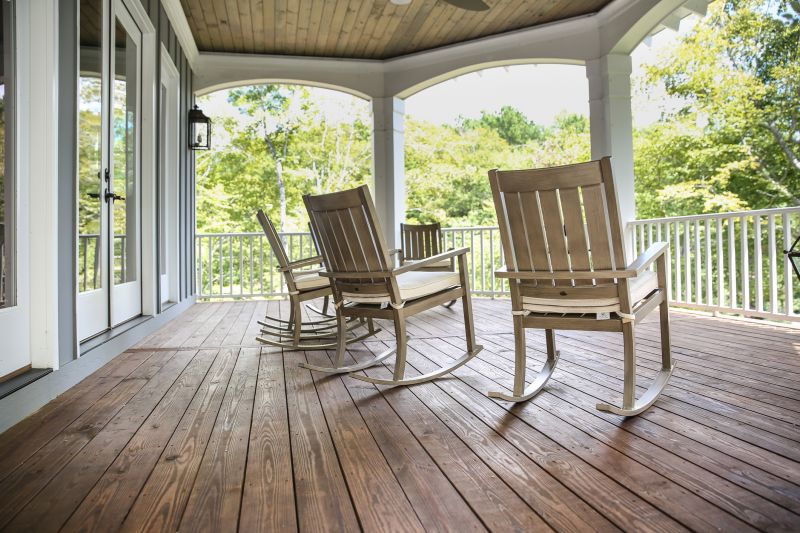
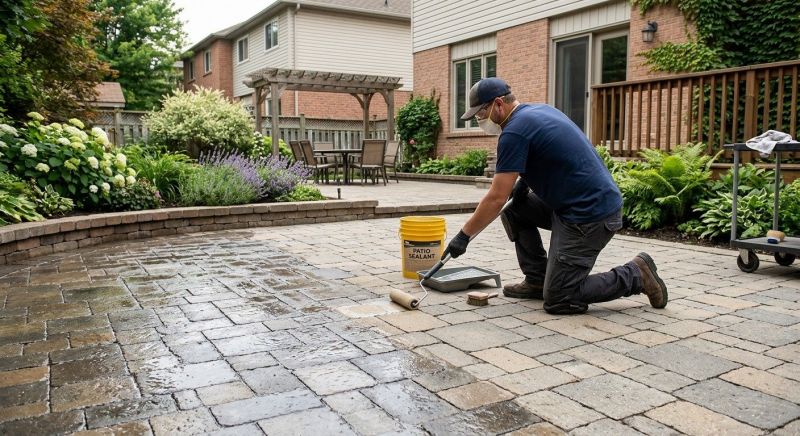
Patio Sealing - Preserves concrete and stone patios against stains and wear.
Porch Sealing - Maintains the appearance and integrity of porch flooring over time.
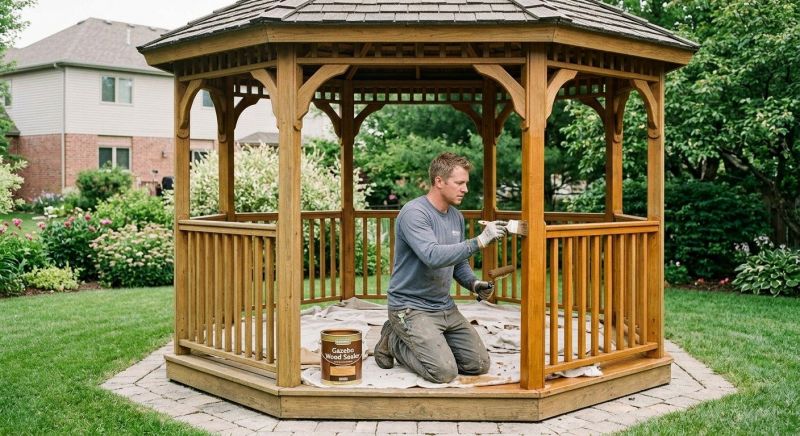
Wood Surface Sealing - Shields outdoor wood features from rotting, cracking, and UV damage.
Surface Restoration - Restores the look of aged or damaged veranda surfaces through sealing.
Veranda Sealing Questions
What is veranda sealing? Veranda sealing involves applying a protective coating to prevent moisture damage and preserve the surface's appearance.
Why should a veranda be sealed? Sealing helps protect against weathering, stains, and wear, extending the life of the veranda.
What types of verandas can be sealed? Sealing services are suitable for wood, composite, and concrete verandas.
How often should a veranda be resealed? Resealing is typically recommended every few years to maintain protection and appearance.
Request Veranda Sealing in Alpharetta, GA
Use the quote form on this page to share the basics of your project and request more information for the type of work you need.