Fence Sealing in Puyallup, WA
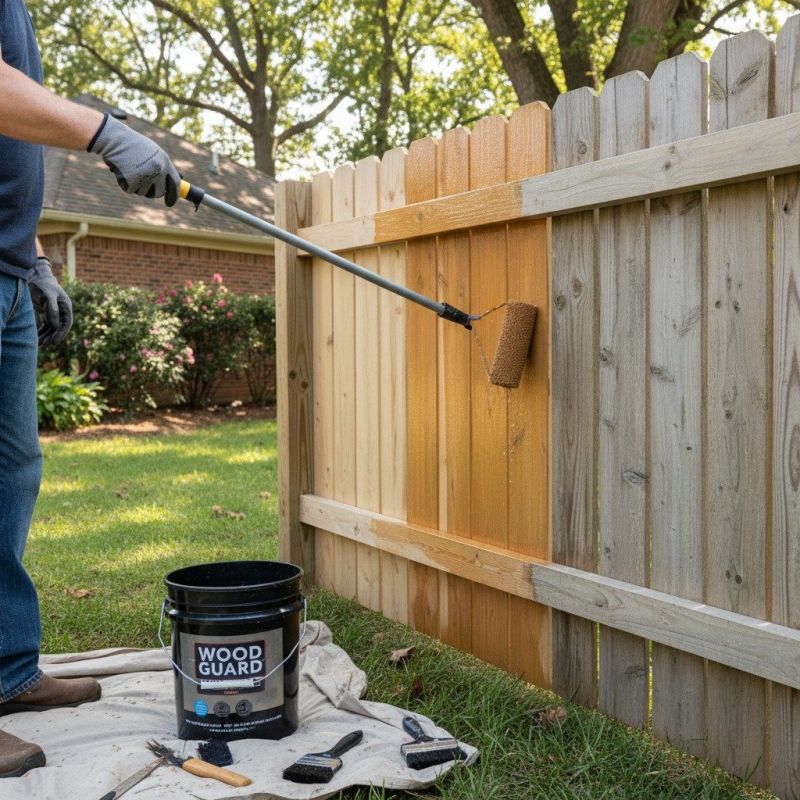
Fence sealing services involve applying protective treatments to existing fences to help prevent damage from moisture, sun exposure, and other environmental elements. This service is suitable for various types of fences, including wood, composite, and certain vinyl or metal materials, and is often requested to extend the lifespan and maintain the appearance of a fence. Property owners typically want to understand the benefits of sealing, such as increased durability and reduced maintenance needs, as well as any preparation required before the application process begins.
Before requesting fence sealing, homeowners should consider the current condition of their fence, including any signs of rot, cracks, or weathering. It’s important to ensure the fence is clean and free of debris or loose paint, as this allows for better absorption of the sealant. Additionally, understanding the type of fencing material and the recommended sealing products can help property owners make informed decisions about the best approach for their specific project.
Many property owners in Puyallup, WA look into Fence Sealing for repairs, replacements, upgrades, and appearance-related improvements.

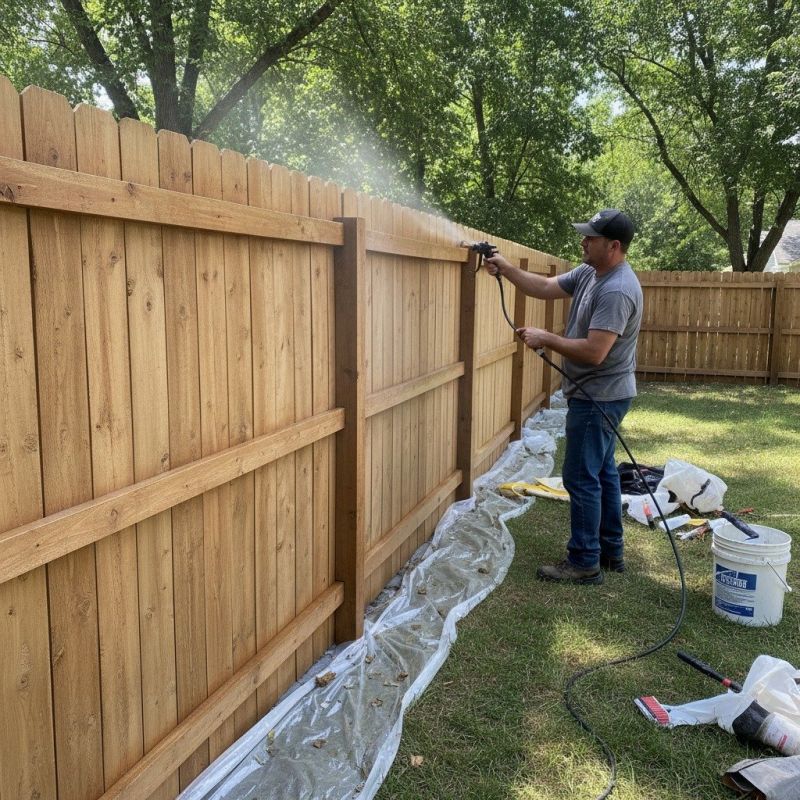
Protecting Wooden Fences
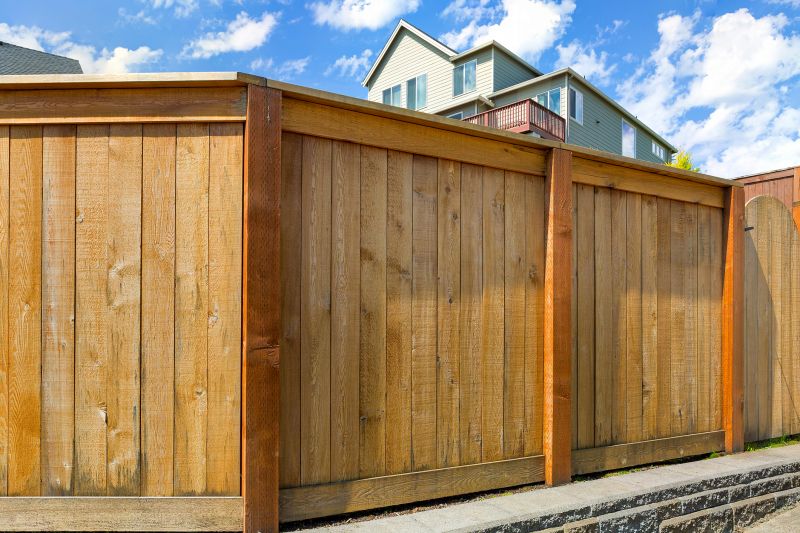
Fence sealing helps prevent wood rot and extends the lifespan of your fence in puyallup's weather.
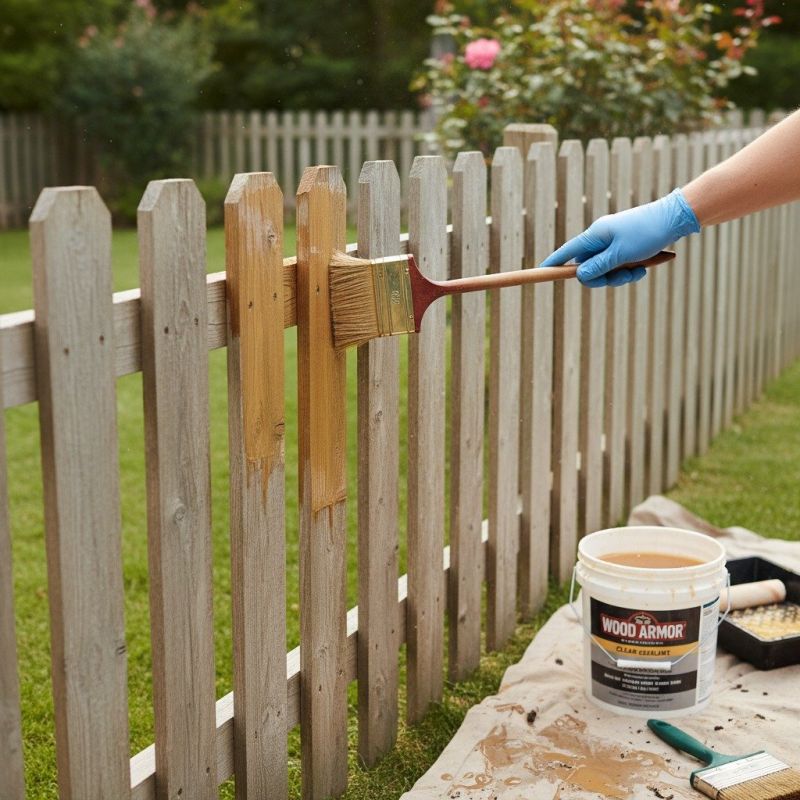
Enhancing Fence Durability
Sealing creates a barrier against moisture, reducing damage from rain and humidity around puget sound.
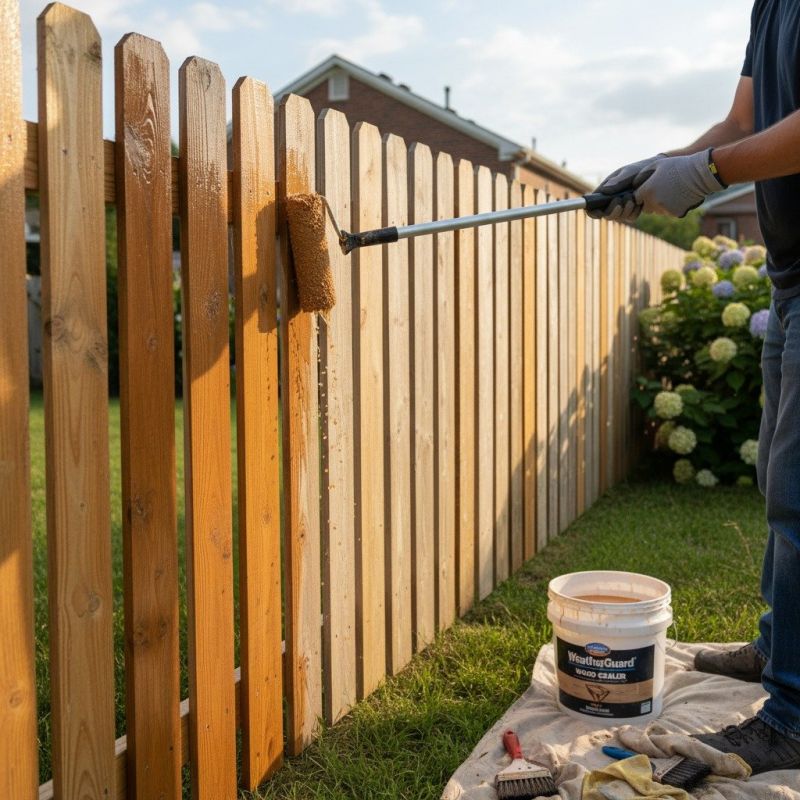
Maintaining Fence Appearance
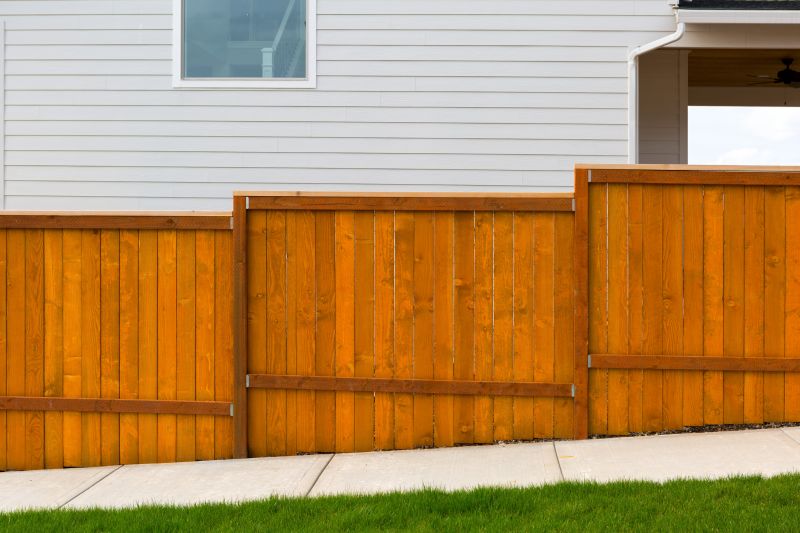
Regular sealing preserves the natural look of your fence and keeps it looking fresh for years to come.
Fence Sealing in Puyallup, WA
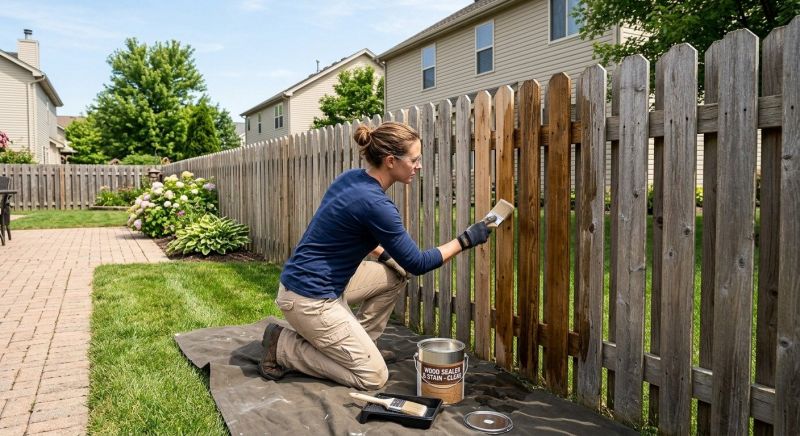
Fence sealing services involve applying protective treatments to existing fences to help prevent damage from moisture, sun exposure, and other environmental elements. This service is suitable for various types of fences, including wood, composite, and certain vinyl or metal materials, and is often requested to extend the lifespan and maintain the appearance of a fence. Property owners typically want to understand the benefits of sealing, such as increased durability and reduced maintenance needs, as well as any preparation required before the application process begins.
Before requesting fence sealing, homeowners should consider the current condition of their fence, including any signs of rot, cracks, or weathering. It’s important to ensure the fence is clean and free of debris or loose paint, as this allows for better absorption of the sealant. Additionally, understanding the type of fencing material and the recommended sealing products can help property owners make informed decisions about the best approach for their specific project.
Many property owners in Puyallup, WA look into Fence Sealing for repairs, replacements, upgrades, and appearance-related improvements.
Common Fence Sealing Jobs
Wood Fence Sealing - Protects wooden fences from moisture, UV damage, and weathering.
Vinyl Fence Sealing - Helps maintain color and prevents cracking or fading over time.
Chain Link Fence Sealing - Reduces rust buildup and extends the lifespan of metal fencing.
Privacy Fence Sealing - Keeps surfaces looking fresh and prevents deterioration from environmental exposure.
Picket Fence Sealing - Preserves the appearance and integrity of decorative fencing styles.
Fence Maintenance - Sealing is a key step in ongoing fence upkeep and long-term durability.
Fence Sealing Questions
What is fence sealing? Fence sealing involves applying a protective coating to extend the life of a fence and improve its appearance.
Which types of fences benefit from sealing? Wooden, cedar, and composite fences are common candidates for sealing to prevent weather damage and decay.
How often should a fence be sealed? Typically, fences should be sealed every 1 to 3 years, depending on the material and exposure to elements.
What are the advantages of sealing a fence? Sealing helps protect against moisture, UV damage, and mold, which can prolong the fence’s durability and maintain its look.
Request Fence Sealing in Puyallup, WA
Use the quote form on this page to share the basics of your project and request more information for the type of work you need.